The Compound Years · Issue #28 · 29 November 2026
Cut it shorter
Most good editing is deleting. Five people who are far better at it than me, and one small job for your next draft.
01The oldest excuse
“I would have written a shorter letter, but I did not have the time.”
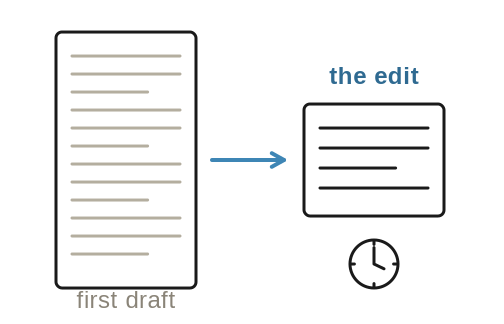
Blaise Pascal wrote that, and James Clear quoted it in his 3-2-1 newsletter this year. A mathematician, of course. Short takes longer. A first draft holds everything you know. The edit decides what the reader needs. So when a draft feels done, give it one more pass with a delete key in hand.
02The Google test
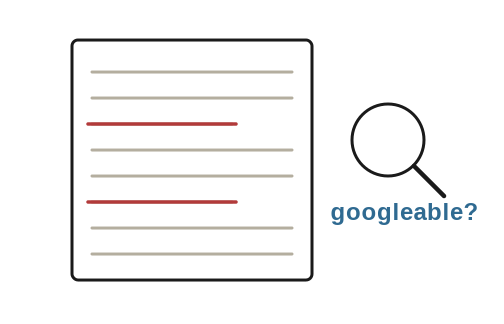
Cut anything the reader could guess or Google.
Tom Orbach grew Marketing Ideas from 0 to 18K subscribers in a year. One of his rules: “If something can be understood with common sense or a simple Google search, I don’t mention it”. Looking back on that first year (here), he named over-polishing and over-length as regrets. His fix was narrower pieces as well as fewer words.
03The line-by-line test
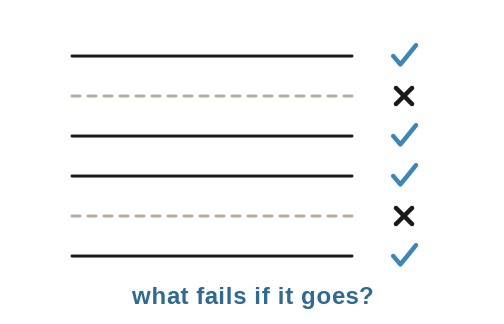
“For each line, if you can’t name the failure it prevents, delete it.”
Jina Yoon wrote that in PostHog’s Product for Engineers. She meant AGENTS.md, the instruction file you give a coding agent. It works on any draft. Go through each sentence and ask what goes wrong if it disappears. If the answer is nothing, out it goes.
04Send it rough
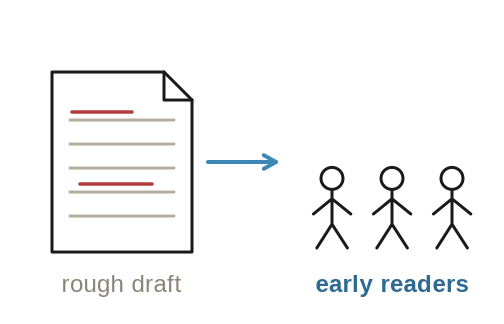
“Make your mistakes early, in front of the people who can help you fix them.”
Steve Huynh learned this in Amazon design reviews (The Mistakes You’re Allowed to Make). Send a rough first draft, typos and all, to a few people who’ll be in the room. You get corrected on the big parts while they’re cheap to change. By the meeting, your reviewers have become allies.
05The question
Power in brevity.
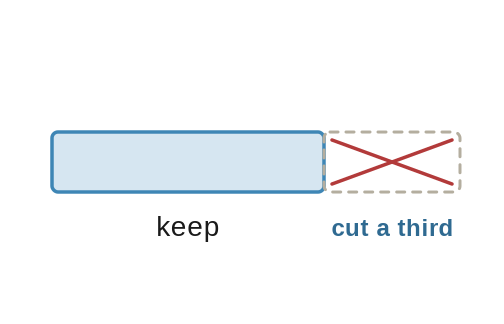
I wrote that on LinkedIn after squeezing 25 lessons into one post. People want to read about 10… ideally 7. So this week, open your last draft and try cutting a third of it. Which paragraph are you defending that the reader never needed? Reply and tell me.
Mind yourselves. You’re doing great. David
-- David